
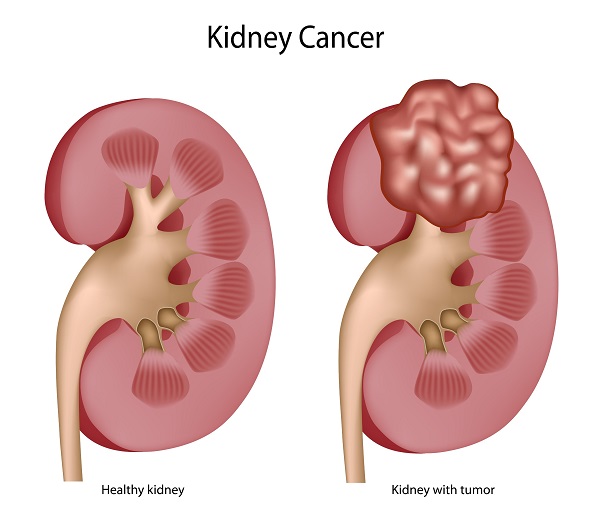
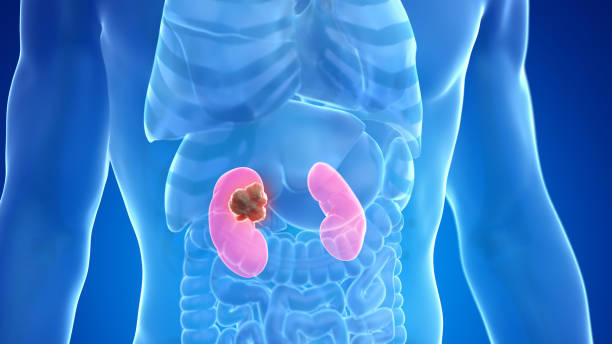
About Kidney Cancer
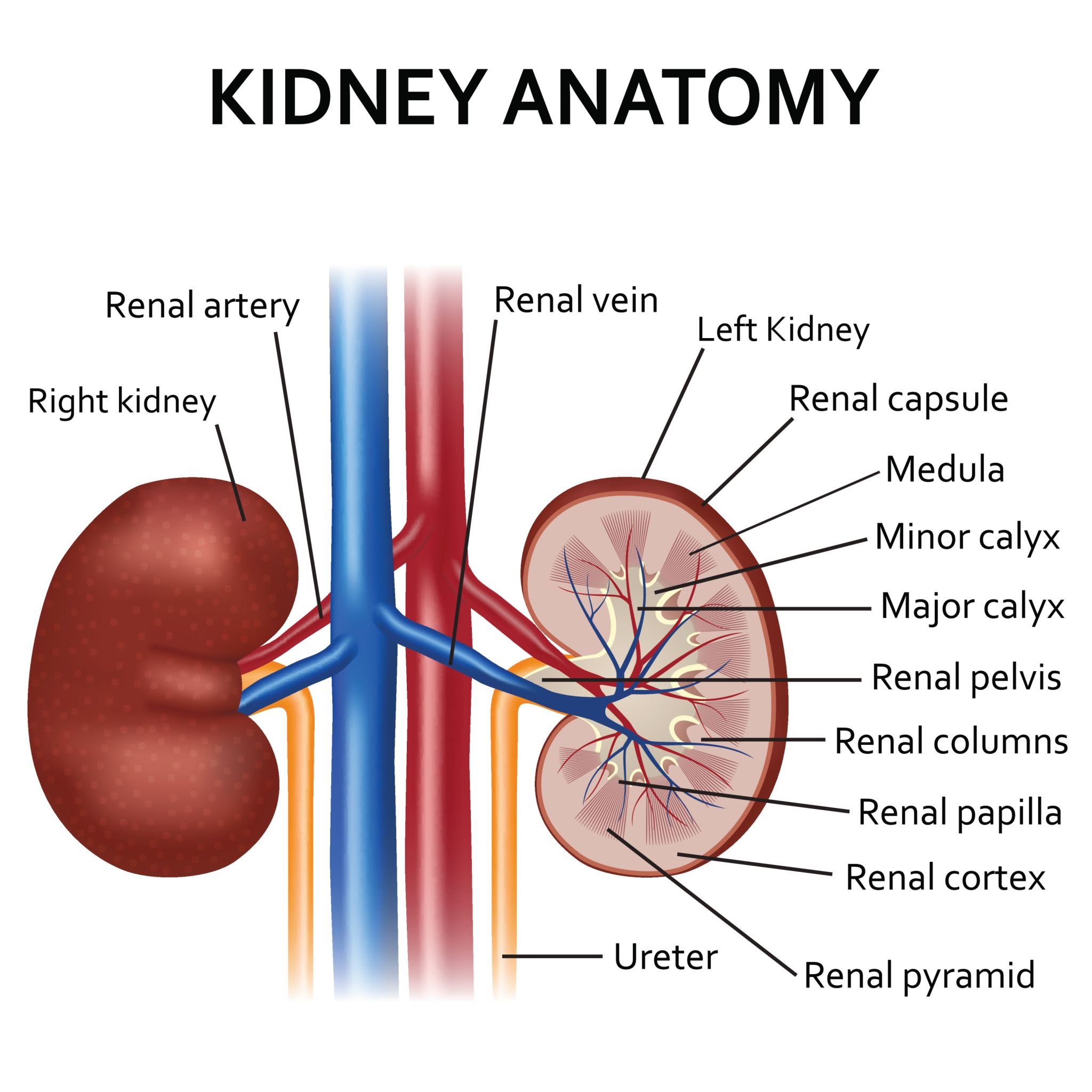
Kidney cancer, also known as renal cancer, begins when cells in the kidney start to grow out of control. The kidneys are a pair of bean-shaped organs, each about the size of a fist, located behind your abdominal organs and on either side of your spine. Their main job is to filter waste products from the blood and produce urine.
Types of Kidney Cancer
There are several types of kidney cancer, but the most common ones include:
-
Renal Cell Carcinoma (RCC): This is the most
common type of kidney cancer, accounting for about 9 out of 10
kidney cancers. RCC starts in the lining of the very small tubes
(tubules) in the kidney that filter the blood and make urine.
- Clear Cell RCC: The most common subtype of RCC, where the cancer cells appear clear or pale when viewed under a microscope.
- Papillary RCC: The second most common subtype, where the cancer cells form small, finger-like projections (papillae).
- Transitional Cell Carcinoma (TCC) of the Renal Pelvis: This type of cancer starts in the renal pelvis, which is the part of the kidney where urine collects before flowing into the ureter. TCCs are similar to bladder cancers, as they originate from the same type of cells (transitional cells) that line the bladder and ureters.
- Wilms Tumor (Nephroblastoma): This is a rare type of kidney cancer that primarily affects young children.
Risk Factors for Kidney Cancer
While the exact cause of kidney cancer isn't fully understood, several factors can increase your risk:
- Smoking: Increases the risk of RCC.
- Obesity: Linked to a higher risk of RCC.
- High Blood Pressure (Hypertension): Increases the risk of kidney cancer.
- Advanced Kidney Disease/Dialysis: Patients on long-term dialysis are at higher risk.
- Genetics and Family History: Certain inherited conditions and a family history of kidney cancer can increase risk.
- Certain Medications & Exposures: Long-term use of some painkillers or exposure to cadmium, asbestos, or herbicides.
Symptoms of Kidney Cancer
In its early stages, kidney cancer often doesn't cause any noticeable symptoms. As the cancer grows, symptoms may appear:
- Blood in the urine (hematuria).
- A lump or mass in the abdomen or flank.
- Persistent pain in the side or back below the ribs.
- Unexplained weight loss and loss of appetite.
- Fatigue and fever that is not caused by an infection.
- Anemia (low red blood cell count).
Treatments
Robotic Partial Nephrectomy
A Robotic Partial Nephrectomy, also known as nephron-sparing surgery, is a minimally invasive procedure designed to safely remove a kidney tumor while saving as much healthy kidney tissue as possible. It is performed through small keyhole incisions using the advanced robotic surgical system.
Why partial instead of removing the whole kidney?
Whenever technically feasible and oncologically safe, saving the kidney (Partial Nephrectomy) is always preferred over removing the entire kidney (Radical Nephrectomy). Preserving kidney function significantly reduces the risk of developing chronic kidney disease (CKD) later in life and protects against cardiovascular complications.
Benefits of Robotic Partial Nephrectomy:
- Kidney Preservation: Saves healthy kidney tissue, maintaining better overall kidney function.
- Shorter Hospital Stay: Usually 2–3 days.
- Less Pain and Scarring: Avoids the large, painful flank incision (15–20 cm) required for open surgery.
- Precision: High-definition 3D vision and wristed instruments allow precise tumor removal and delicate kidney reconstruction.
FAQs: Robotic Radical Nephrectomy
A Robotic Radical Nephrectomy is a minimally invasive surgical procedure to remove the entire kidney. It is typically performed to treat kidney cancer or, less commonly, a severely damaged or non-functioning kidney. Unlike "open" surgery, which requires a large incision, this procedure is performed through small keyhole incisions using the da Vinci surgical system.
Can I live a normal life with only one kidney?
Yes, absolutely. Most people with one healthy kidney lead completely normal, active lives. The remaining kidney typically undergoes "compensatory hypertrophy," meaning it grows slightly larger and increases its function to do the work of two kidneys.
What are the benefits of Robotic over Open Surgery?
- Significantly less pain and blood loss.
- A shorter hospital stay (usually 2–3 days).
- Faster return to normal daily activities and work.
- Better cosmetic results (small scars vs. a large flank scar).
Is the surgery painful?
While some discomfort is expected, robotic surgery is much less painful than open surgery. Most patients manage well with oral pain relievers for a week or less after leaving the hospital.
Do I need chemotherapy or radiation after surgery?
For most kidney cancers (Renal Cell Carcinoma), surgery is the only treatment needed if the cancer has not spread. Kidney cancer generally does not respond well to traditional chemotherapy or radiation. If the cancer is aggressive, your doctor may discuss "immunotherapy," but for many patients, removing the kidney is the cure.